Common Mistakes Players Make in Online Gambling — Updated 2026
Last updated:
Online gambling is easy to access, but a quick sign-up or an impulsive deposit can create avoidable problems. Before playing, take time to check who operates the site, how its rules work and whether its payment options suit you. These practical checks can help you protect your account and make informed decisions; they cannot remove the financial risk of gambling.
1. Entering inaccurate account details
Using a false name, date of birth or address can cause trouble if a site later asks you to verify your identity. A mismatch may delay a withdrawal or prevent an account from being verified under the operator’s rules. Use accurate details, check that you meet the legal age requirement where you live, and read the privacy policy before sharing personal information.
Protect the account as well: choose a unique password, avoid sharing login details and turn on two-step verification if it is available. Do not send identity documents through an unexpected email or message; use the site’s official account process and confirm you are on the correct domain.
2. Choosing a platform without checking it
A polished design or a familiar-looking logo is not proof that a gambling site is trustworthy. Check the operator’s name, its stated regulator and whether the relevant regulator’s own records confirm the claimed authorization. Rules vary by location, so also make sure the service is permitted where you are. Look for clear support and account-closure information, and be wary of pressure to deposit quickly.
If a site’s ownership, rules or complaint process is difficult to find, pause rather than depositing. No checklist guarantees that an operator will handle every issue well, but checking the basics can help you avoid obvious warning signs.
3. Depositing before checking payment rules
Do not assume that every payment method works for both deposits and withdrawals. Check which methods the site accepts, whether the account name must match the payment account, and whether there are stated fees, limits or verification steps. If you plan to use a particular wallet or card, confirm its availability before depositing. Keep a record of transactions and never borrow money to gamble.
4. Skipping terms and bonus conditions
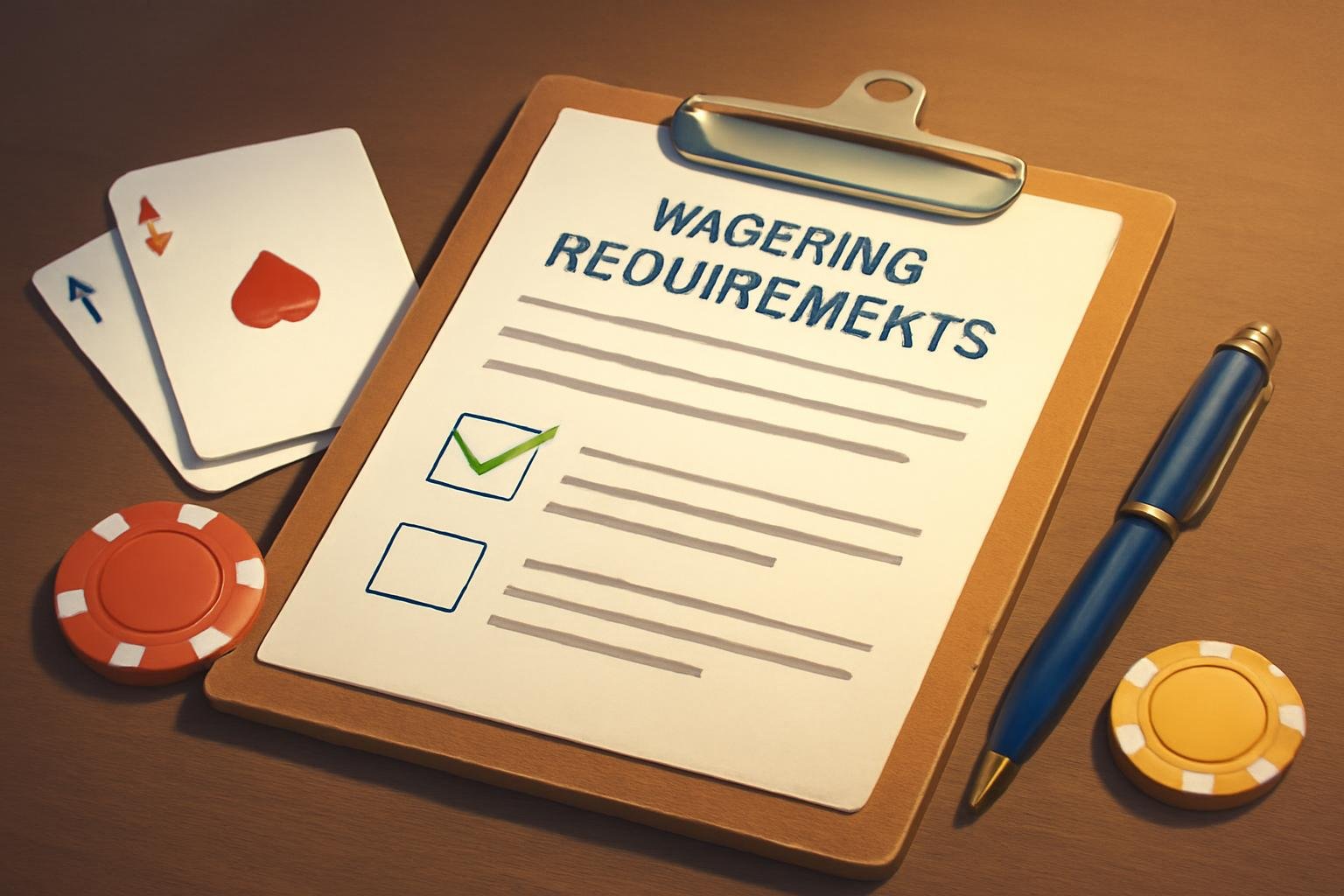
Read the terms that apply to your account and any promotion before opting in. Bonus offers may include wagering requirements, eligible games, a deadline, maximum-bet rules or withdrawal restrictions. A displayed bonus balance is not necessarily withdrawable cash. For a plain-language explanation of the details to compare, see how to read casino bonus wagering requirements.
Do not accept an offer simply because it looks large. If a condition is unclear, ask support for clarification before participating—or decline the promotion. Keep a copy of the terms you relied on, since conditions can differ between offers.
5. Playing without learning the game or setting limits
Starting with real-money play before understanding a game’s rules can lead to decisions you did not intend to make. Where available, a demo mode can help you learn the controls and basic rules without risking a deposit; it does not predict future results. You can also review what demo games can teach you or read about how online slot machines use random number generation.
Set a spending limit you can afford to lose, decide in advance how long you will play and stop when you reach either limit. Do not chase losses or increase stakes to recover money. If gambling is affecting your finances, mood or relationships, take a break and seek support from a suitable local service.
Before you deposit: a quick check
- Are my account details accurate, and is the operator verifiable?
- Have I checked payment, withdrawal and bonus conditions?
- Do I understand the game and have a firm time and spending limit?
A few minutes spent checking these points can prevent common account and payment misunderstandings. The most important limit is the one that keeps gambling within your means.